Choosing the right Beds And Sofas supplier requires more than comparing product photos or advertised prices. Global furniture markets are expanding, but definitions vary between research firms. Grand View Research estimated the worldwide furniture market at approximately USD 516.6 billion in 2022, with continued growth expected through 2030. Meanwhile, Statista highlights strong online furniture sales and rising consumer expectations for delivery transparency. The numbers are useful, but not perfect.
Quality remains the practical test. A reliable supplier should explain frame materials, foam density, fabric performance, load ratings, packaging, and warranty coverage. Look for documented testing, traceable timber sources, and clear after-sales procedures. For sofas, inspect stitching, cushion recovery, and corner reinforcement. For beds, check slat spacing, joint stability, and mattress compatibility. Small details matter.
This guide reviews seven notable Beds And Sofas suppliers worldwide through a buyer-focused lens. The selection considers manufacturing experience, international distribution, customization, certifications, lead times, and customer support. Reports from the International Trade Centre and CSIL show how furniture supply chains increasingly depend on cross-border logistics and responsible sourcing. That creates opportunity, but also risk. A low factory price can change after freight, duties, damage claims, and replacement delays. Supplier reputation alone is not enough. Buyers should request samples, verify certificates, and confirm specifications in writing. No ranking is absolute. Market conditions shift, and even established companies can disappoint on a difficult order. The best choice depends on project scale, budget, design requirements, and the buyer’s tolerance for uncertainty.
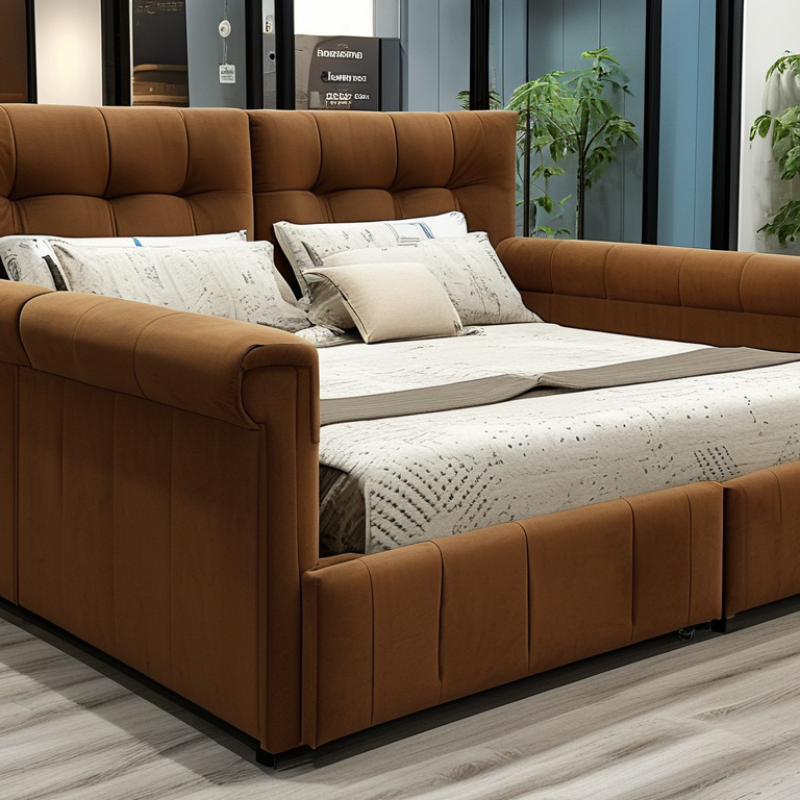
A leading beds and sofas supplier is defined by more than attractive photographs or low prices. It begins with consistent manufacturing experience. Skilled teams should understand frame strength, foam density, fabric performance, and ergonomic support. A reliable supplier can explain these details clearly, without hiding behind vague descriptions.
Look closely at the materials. Solid wood frames, reinforced joints, even stitching, and carefully finished edges reveal production discipline. For sofas, seat cushions should recover after pressure instead of staying flattened. For beds, slat spacing and center support deserve practical testing. I would also request samples, factory photographs, inspection records, and clear product measurements. Small details matter.
Trust grows through evidence. A professional supplier should provide traceable quality checks, realistic lead times, secure packaging, and responsive after-sales service. Recognized safety and material standards also strengthen credibility, especially for international buyers. Yet no supplier gets every decision right. A fabric sample may differ slightly from a bulk order, or delivery may face unexpected delays. Honest communication matters more than exaggerated promises. Written warranty terms, replacement procedures, and inspection responsibilities can prevent costly confusion. Good suppliers welcome questions, even uncomfortable ones. That openness often reveals whether their expertise is genuine.
When comparing the seven best bed and sofa suppliers worldwide, treat every catalogue claim as a starting point. Grand View Research valued the global furniture market at USD 516.66 billion in 2022, showing why supplier choice deserves scrutiny. For beds, inspect kiln-dried timber, welded joints, foam density, and spring recovery. Ask for batch records, not polished samples. On a showroom sofa, sit on the same cushion for ten minutes. Measure seat height, depth, seam alignment, and frame noise. Material feel matters.
CSIL’s World Furniture Outlook 2024 tracks pressure from freight, labor, and material costs. The cheapest quote may hide thinner foam or weaker hardware. Compare landed cost, warranty length, replacement-part access, and inspection fees. Price alone misleads. Require EN 1725 or equivalent bed testing, plus EN 12520 and EN 16139 checks for seating. ISO 9001 certification supports process control, but it does not prove comfort. Request current certificates and independent test reports tied to the exact model.
That detail is often missed. An honest evaluation also records defects found during inspection, including minor stitching waves or uneven gaps. Perfect photos are not evidence. Use a pre-shipment checklist, photograph carton compression, and verify moisture protection before payment. Suppliers should explain foam grades, timber moisture levels, load testing, and corrective actions. Some factories provide excellent prototypes but inconsistent production batches. This is where judgment remains imperfect. Supplier reliability grows from repeatable evidence, not confident promises.
Seven Notable Beds and Sofas Suppliers Across Global Markets
Global buyers often compare seven supplier types when sourcing beds and sofas. A Scandinavian furniture manufacturer usually offers clean lines, durable timber frames, and practical sleep systems. An Italian upholstery specialist may provide refined stitching, layered foam, and flexible fabric choices. A North American modular supplier often focuses on generous seating, replaceable covers, and simplified delivery.
An East Asian contract factory can support large hospitality orders with consistent production and detailed packing controls. An Indian handcrafted supplier may use solid wood, woven panels, and visible artisan marks. A Central European engineered-furniture supplier typically emphasizes tested fittings, efficient assembly, and repeatable dimensions. An Australian sustainable supplier may highlight certified timber, recycled fibers, and designs suited to compact homes.
I have found that factory visits reveal more than catalog photographs. Ask about kiln-dried timber, foam density, load testing, and fabric abrasion results. Request production samples before approving a large order. A reliable supplier should explain lead times, inspection steps, spare-part access, and packaging protection in plain language. Certifications matter, but they need verification.
My early evaluations focused too heavily on appearance. That was a mistake. A beautiful sofa can develop loose seams, while a simple bed may perform for years. Buyers should also check regional fire-safety rules, warranty terms, and local repair capacity. Delivery damage remains an overlooked risk, especially for oversized frames and reclining mechanisms.
| Supplier Profile | Primary Production Market | Main Product Scope | Typical Buyer Segment | Common Compliance References | Sustainability Evidence | Logistics Strength |
|---|---|---|---|---|---|---|
| Profile 1 East Asian OEM Upholstery |
China and neighboring East Asian manufacturing hubs | Sofas Sectionals Platform beds Mattress foundations | Importers, online furniture retailers, private-label distributors and hospitality procurement teams | Product testing commonly references EN 12520 for domestic seating, EN 16139 for non-domestic seating and EN 1725 for bed bases | FSC®-certified wood options, recycled packaging, restricted-substance declarations and factory audit records may be available | Strong container availability and broad export-port coverage |
| Profile 2 South Asian Handcrafted Furniture |
India, Pakistan and Bangladesh | Wooden beds Hand-upholstered sofas Daybeds Decorative furniture | Specialty retailers, interior designers, boutique hotels and natural-material furniture distributors | Material and structural testing is generally specified by destination-market requirements and buyer-approved inspection plans | Solid-wood documentation, recycled textile content, water-based finishes and packaging reduction can be requested | Competitive ocean freight for consolidated and full-container shipments |
| Profile 3 European Contract-Furniture Manufacturing |
Central, Northern and Western Europe | Contract sofas Hotel beds Modular seating Custom upholstery | Hotels, healthcare facilities, offices, public-sector projects and professional interior contractors | EN 16139, EN 1021 furniture flammability tests and destination-specific contract-furniture specifications are frequently used | EU timber due-diligence documentation, environmental product declarations and certified textiles may be available | Shorter regional delivery routes and strong project coordination within Europe |
| Profile 4 North American Residential and Contract Supply |
United States, Canada and Mexico | Motion sofas Residential beds Sleeper sofas Commercial seating | Furniture retailers, rental platforms, residential developers and hospitality buyers | ASTM furniture-testing methods, applicable U.S. flammability rules and Canadian requirements are commonly reviewed | Domestic-content statements, recycled steel or foam options and packaging specifications may be supplied | Efficient access to North American distribution centers and truck-based delivery networks |
| Profile 5 Eastern European Bedroom-Furniture Supply |
Poland, Romania, Lithuania and neighboring European markets | Panel beds Storage beds Bedroom sets Compact sofas | European wholesalers, flat-pack retailers, home-improvement chains and apartment furnishing programs | EN 1725 bed-base performance requirements and EN 14749 storage-furniture safety considerations may apply | PEFC or FSC® timber options, formaldehyde-emission declarations and recycled-board content are commonly requested | Good road connectivity to the EU market and practical distribution for flat-pack products |
| Profile 6 Southeast Asian Natural-Material Furniture |
Vietnam, Indonesia and Malaysia | Rattan sofas Outdoor seating Wooden beds Lounge furniture | Outdoor-living retailers, resort projects, lifestyle stores and international furniture importers | Outdoor durability, moisture resistance, load testing and applicable destination-market seating standards are typically specified | Legally sourced timber records, responsible-rattan documentation and low-VOC coating options may be available | Well-established container export routes serving North America, Europe and Australia |
| Profile 7 Middle Eastern Hospitality-Furniture Supply |
Turkey, the Gulf region and selected nearby manufacturing markets | Hotel beds Lobby sofas Banquette seating Custom casegoods | Hotels, serviced apartments, restaurants, real-estate developments and turnkey project contractors | Fire-performance testing, contract seating standards, structural load tests and project-specific technical submittals are commonly required | Timber legality records, recycled metal content, local-material declarations and waste-management plans may be provided | Strategic access to Europe, North Africa, Central Asia and Gulf-region construction markets |
7 Best Beds And Sofas Suppliers Worldwide?
The strongest global suppliers serve different buying needs, regions, and price levels. Grand View Research estimated the global furniture market at about US$766 billion in 2023. That scale rewards suppliers with stable production, clear testing records, and reliable shipping.
European premium sleep-system suppliers focus on adjustable beds, pocket-spring mattresses, and ergonomic sofa beds. They usually provide detailed material specifications and long warranty programs. East Asian OEM manufacturers offer efficient bed frames, foam systems, and flat-pack designs. Their strengths include high-volume production and flexible private-label development. Chinese upholstery ODM suppliers add modular sofas, recliners, removable covers, and rapid sampling services. Quality can vary, so factory audits remain essential.
North American modular-sofa suppliers often excel in deep seating, replaceable components, and domestic fulfillment. Indian suppliers bring solid wood beds, woven details, and labor-intensive finishing. Turkey-based exporters are competitive in upholstered beds, mattresses, and fabric sofas, especially for European and Middle Eastern distribution. Contract furniture suppliers in Europe and Asia serve hotels, serviced apartments, and property developers. They manage installation, bulk delivery, and fire-performance documentation. CSIL’s World Furniture Outlook 2024 confirms Asia’s continuing importance in furniture production and consumption. Still, regional strength does not guarantee consistent performance. A low quotation may conceal weaker foam density, limited spare parts, or uncertain lead times. My screening would compare product samples, test certificates, packaging photos, and after-sales response before signing. Numbers matter. So does the supplier’s willingness to admit limitations.
Comparison of commonly disclosed capabilities across seven international supplier profiles. Values represent the number of supplier profiles offering each capability.
Upholstered sofas and beds are the most widely represented product categories, while OEM/ODM production, export support, and customization are key services for international buyers. Regional strengths typically reflect manufacturing specialization, material access, logistics infrastructure, and proximity to major consumer markets.
7 Best Beds And Sofas Suppliers Worldwide?
Selecting a bed or sofa supplier requires more than comparing unit prices. IMARC Group valued the global furniture market at approximately US$766.2 billion in 2023. This scale creates many choices, but quality varies widely. Start with your sales channel, target customer, and expected order volume. A hospitality buyer may need fire-tested materials and stable replenishment. A retailer may prioritize packaging, customization, and faster delivery. Ask for material specifications, production photos, sample units, and recent inspection records. Samples reveal details spreadsheets often hide.
Capacity matters too. Check minimum order quantities, monthly output, lead times, and defect rates. Request evidence, not promises. The supplier should explain foam density, frame construction, fabric performance, and packaging methods. According to the International Trade Centre, transport and market-access requirements strongly affect international sourcing costs. Therefore, compare landed cost, not factory price alone. Include freight, duties, storage, and possible rework. It is an easy mistake to overlook these figures. I would also test communication during sampling. Slow replies now may become expensive delays later. Independent factory audits, clear payment milestones, written warranty terms, and traceable product documents improve reliability. Still, no checklist is perfect. A supplier can pass an audit and fail during peak season. Keep a backup source, review performance quarterly, and treat every forecast as an assumption.
: Reliable suppliers explain frame strength, foam density, fabric performance, and ergonomic support clearly. They provide evidence, not only attractive photographs. Small gaps matter.
Look for solid wood frames, reinforced joints, even stitching, and smooth finished edges. Check kiln-dried timber and welded joints where applicable. Materials reveal production discipline.
Sit on the same cushion for ten minutes. Check seat height, depth, seam alignment, and frame noise. Cushions should recover after pressure. Comfort remains subjective.
Inspect slat spacing, center support, joint strength, and timber moisture levels. Request load-testing information and measurements for the exact model. Testing is essential.
Not always. A low price may indicate thinner foam, weaker hardware, or limited replacement support. Compare landed cost, warranty terms, inspection fees, and delivery timing.
Request current certificates, independent test reports, batch records, factory photographs, and inspection records. Reports should match the exact product model. Generic documents are weaker evidence.
Compare prototypes with production batches. Record stitching waves, uneven gaps, carton damage, and moisture protection during inspection. Perfect images prove very little.
Written terms should explain defects, replacement procedures, inspection responsibilities, and response times. Delivery delays can happen. Honest communication matters more than confident promises.
No. Process certification may support manufacturing control, but it cannot prove personal comfort. Foam recovery, seat depth, and support still require practical testing.
A fabric sample may differ slightly from bulk production. Freight or material conditions may also change. Judgment is imperfect, so repeatable evidence matters most.
Choosing the right Beds And Sofas supplier requires more than comparing product catalogs. A leading supplier should demonstrate consistent quality, thoughtful design, dependable manufacturing standards, and the ability to deliver at a competitive price. Important evaluation factors include material selection, structural durability, comfort, finishing details, production capacity, quality control, delivery reliability, customization options, and after-sales support. Suppliers that combine modern production methods with flexible service are generally better prepared to meet the changing needs of retailers, hospitality businesses, and interior projects.
This guide introduces seven notable types of suppliers serving different global markets, highlighting their key products, service capabilities, and regional strengths without focusing on any specific brand. Some may specialize in premium handcrafted furniture, while others offer scalable manufacturing, space-saving designs, or cost-efficient collections for high-volume orders. To select the best partner, businesses should clearly define their target customers, budget, required volumes, preferred materials, lead times, and compliance expectations. A careful comparison of samples, certifications, communication, and long-term service can support a reliable purchasing decision.

ZoomRoom