Choosing the right sofa bed in 2026 requires more than comparing photographs, prices, and star ratings. Global buyers need practical evidence, including frame strength, mattress support, fabric performance, package dimensions, and after-sales service. A Sofa Bed Sofa may look elegant online, yet feel too firm, narrow, or difficult to open at home.
This guide examines the details that matter across different markets and living spaces. We consider everyday sleeping comfort, conversion mechanisms, weight limits, cleaning needs, delivery conditions, and replacement parts. A solid hardwood or reinforced metal frame can improve durability, but construction quality varies between manufacturers. Buyers should request material specifications, product measurements, warranty terms, and independent testing information before ordering.
Small rooms need careful planning.
Measure the doorway first.
A 140-centimeter sofa bed may fit the room but fail at the elevator. International shoppers should also check voltage requirements for powered features, packaging labels, import responsibilities, and local consumer protections. These details differ by destination, so reliable sellers should provide clear documentation rather than vague promises. Personal testing remains valuable; sitting for ten minutes may reveal pressure points that photographs hide. Still, no universal ranking can match every body type, climate, or design preference. Our evaluation may overlook a regional comfort habit, and that deserves honest reconsideration. The best choice balances verified quality, realistic use, total ownership cost, and dependable support long after delivery.
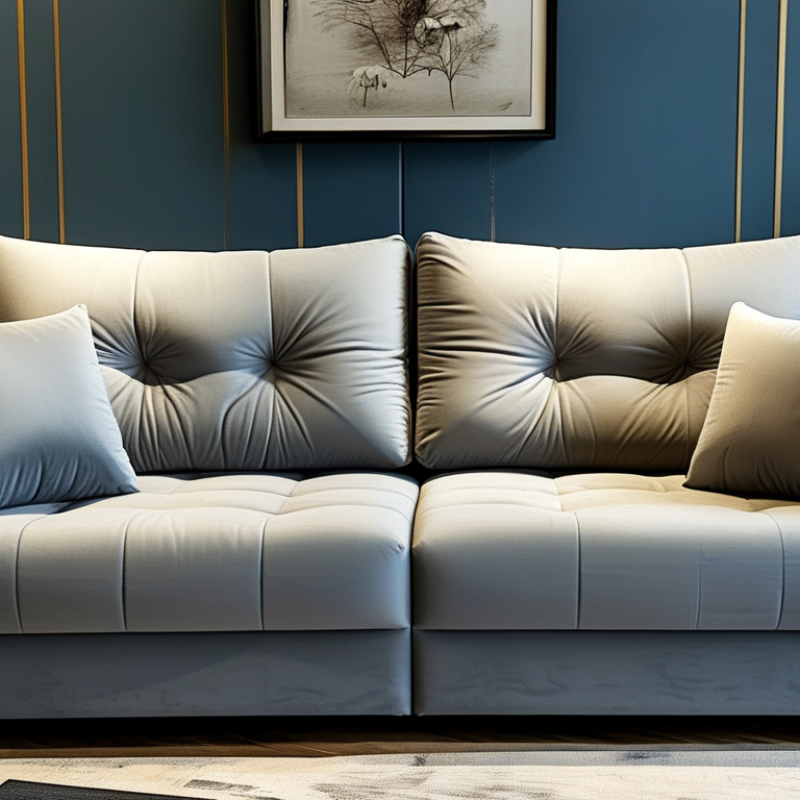
When global buyers compare sofa beds, type matters more than appearance. A pull-out model hides a folded mattress beneath the seat. It suits guest rooms needing a bed several nights each month. A click-clack design folds the backrest flat. It is lighter, simpler, and useful in compact city apartments. Futon-style frames offer casual sleeping, but thinner padding may tire frequent users. Daybeds fit studios and children’s rooms, while modular sofa beds support changing room sizes.
Use case changes by region. In humid coastal homes, breathable covers and rust-resistant hardware deserve close attention. In colder markets, deeper cushions and thicker mattresses may feel more comfortable. Small elevators and narrow stairways make packaged dimensions important. Measure doorways, corridors, and turning space before ordering. Measure twice. A sofa bed for a serviced apartment needs easy cleaning and quick conversion. A family product needs stable hinges, rounded edges, and a tested weight capacity.
Reliable buyers should request open-and-close cycle testing, mattress density, fabric composition, and care instructions. Check the sleeping surface, not only the showroom seat. It should remain reasonably flat. Ask whether replacement covers or hardware are available locally. Claims can sound precise yet hide vague testing methods. I would not treat one successful sample as proof of long-term performance. A minor frame noise may seem harmless today. It may become a serious complaint after repeated use. Details matter. Leave room for doubt, and record every measurement.
| Sofa Bed Type | Typical Sleeping Size | Typical Sofa Footprint | Conversion Mechanism | Best Sleeping Frequency | Recommended Global Use Cases | Main Advantages | Important Limitations |
|---|---|---|---|---|---|---|---|
| Click-Clack Sofa Bed |
Double: approximately 135–160 × 190–200 cm 53–63 × 75–79 in |
Width: 180–220 cm Depth: 80–100 cm |
Backrest folds or clicks backward to create a flat sleeping surface. | Occasional to regular | Compact apartments, student housing, guest rooms, serviced apartments, and smaller urban homes. | Simple operation, relatively low weight, compact shipping profile, and usually competitive pricing. | Sleeping surface may have a central hinge; cushioning and lumbar comfort can be limited for daily use. |
| Pull-Out Sleeper Sofa |
Single to queen: approximately 90–160 × 190–200 cm 35–63 × 75–79 in |
Width: 180–240 cm Depth: 85–105 cm |
A folding metal frame and mattress pull out from beneath the seat cushions. | Regular to frequent | Family homes, hotels, vacation rentals, guest rooms, and multi-purpose living rooms. | Provides a dedicated mattress, supports larger sleeping sizes, and offers a familiar sofa appearance. | Heavier and more difficult to move; requires sufficient clearance in front of the sofa and may have a thinner mattress. |
| Futon-Style Sofa Bed |
Single to double: approximately 90–160 × 190–200 cm 35–63 × 75–79 in |
Width: 120–210 cm Depth: 75–100 cm |
One flexible mattress folds between an upright sofa position and a flat bed position. | Occasional to regular | Minimalist interiors, student accommodation, home offices, compact rental units, and informal guest spaces. | Easy to understand, flexible, often lightweight, and suitable for simple room layouts. | May offer firmer seating and sleeping comfort; the mattress can show folding wear over time. |
| Daybed with Trundle |
Single: approximately 90–100 × 190–200 cm 35–39 × 75–79 in |
Width: 90–120 cm Depth: 190–210 cm |
A second mattress slides out from beneath the main daybed frame. | Occasional | Children’s rooms, narrow guest rooms, home offices, dormitories, and properties needing two separate beds. | Uses limited floor space efficiently and can provide two individual sleeping surfaces. | Usually narrower than a standard sofa bed; the lower bed may be close to the floor and requires storage clearance. |
| Chair Bed |
Single: approximately 75–100 × 180–200 cm 30–39 × 71–79 in |
Width: 75–110 cm Depth: 80–100 cm |
The chair seat and back unfold, or a compact mattress frame extends from the chair. | Occasional | Micro-apartments, small offices, hotel rooms, nursing rooms, studio units, and compact guest areas. | Small footprint, easy placement, and useful where a full-size sofa bed would be too large. | Suitable mainly for one person; the sleeping area is shorter and narrower than double-size models. |
| Sectional Sleeper Sofa |
Double to king: approximately 135–195 × 190–205 cm 53–77 × 75–81 in |
Overall width: 230–330 cm Overall depth: 150–220 cm |
Pull-out or lift-up bed platform integrated into an L-shaped or U-shaped sectional. | Regular to frequent | Large living rooms, family homes, media rooms, luxury rentals, and hospitality suites. | High seating capacity, generous lounging area, integrated storage options, and larger sleeping surfaces. | Requires substantial floor area, costs more to ship, and may be difficult to carry through narrow stairways or doors. |
| Lift-Up Storage Sofa Bed |
Double to queen: approximately 135–160 × 190–200 cm 53–63 × 75–79 in |
Width: 180–240 cm Depth: 85–110 cm |
The seat or mattress platform lifts to reveal a storage compartment; some models also unfold into a bed. | Occasional to regular | Small apartments, high-density cities, student residences, and homes with limited closet space. | Combines sleeping space with concealed storage for bedding, seasonal items, or household goods. | Storage capacity adds weight; the lift mechanism needs adequate strength, clearance, and periodic inspection. |
| Power-Operated Reclining Sleeper |
Single to double: approximately 90–160 × 190–200 cm 35–63 × 75–79 in |
Width: 170–240 cm Depth: 95–110 cm |
Electric motors adjust the backrest, footrest, or sleeping platform. | Regular to frequent | Accessible homes, premium living rooms, rehabilitation settings, hotel suites, and users seeking assisted operation. | Convenient operation, adjustable reclining positions, and reduced physical effort during conversion. | Needs a compatible power supply, increases weight and cost, and may require local electrical certification or an adapter. |
| Modular Floor Sofa Bed |
Single to king: approximately 90–195 × 190–205 cm 35–77 × 75–81 in |
Width: 160–300 cm Depth: 80–180 cm |
Separate cushions or modules are rearranged to form a flat sleeping platform. | Occasional | Flexible apartments, informal lounges, temporary accommodation, low-profile interiors, and rooms with changing layouts. | Highly configurable, easy to adapt to different room sizes, and can simplify replacement of individual modules. | Low seating height may not suit all users; modules can shift unless connected securely, and support varies by design. |
: A click-clack design usually works well in compact rooms. Its backrest folds flat with fewer moving parts. Check the opened length carefully.
Choose a pull-out model for guests staying several nights monthly. Its folded mattress stays beneath the seat. The mechanism may require more floor space.
Futon-style frames suit occasional or casual sleeping. Thinner padding may tire frequent users. Test the sleeping surface, not only the seat.
Measure doors, corridors, elevators, stair turns, and room corners. Also measure the fully opened bed area. Measure twice.
Check hinges, locking points, frame stability, and mattress support. The bed should open smoothly without sharp exposed edges. Ask for weight limits and safety test records.
Request packed dimensions and confirm the delivery route. Check packaging protection and transport-damage responsibilities in writing. A carton may not pass a narrow entrance.
Humid homes may need breathable covers and rust-resistant hardware. Colder rooms may feel better with deeper cushions and thicker mattresses. Climate changes comfort.
Vacuum beneath the cushions monthly and keep moisture away from the frame. Rotate cushions to limit uneven wear. Washable or replaceable covers can simplify cleaning.
Include freight, taxes, assembly, currency changes, and return handling. Request a written landed-cost estimate with excluded fees shown. Leave a small contingency.
No. One sample proves very little. Request cycle testing, material details, and replacement-part information. A quiet frame today may become noisy after repeated use.
Choosing the best sofa bed for global buyers requires more than comparing appearance and price. Start by identifying the main use case, such as occasional guest sleeping, daily living, compact apartments, hospitality spaces, or multifunctional rooms. Different sofa bed types offer different levels of convenience, including pull-out, fold-down, and modular designs. Consider the available floor space, mattress dimensions, seating comfort, sleeping frequency, and ease of conversion. A well-planned Sofa Bed Sofa should support both comfortable sitting and reliable sleeping without overwhelming the room.
Materials, frame strength, mattress support, opening mechanisms, and finishing quality all affect durability and user experience. Buyers should also check product safety information, applicable international standards, packaging, delivery conditions, assembly requirements, warranty coverage, and maintenance instructions. Instead of focusing only on the purchase price, evaluate the total cost, including shipping, installation, cleaning, repairs, and expected service life. By balancing function, comfort, quality, compliance, and long-term value, buyers can select a sofa bed that suits their space, market, and everyday needs.

 ZoomRoom