A sofa bed is more than a spare mattress folded into a frame. At home, it can turn a compact living room into a guest space; in a hotel, it can accommodate families without adding another room. Small details matter. A stiff pull-out mechanism, a thin mattress, or a sofa that blocks the doorway can quickly spoil the experience.
Space and performance both deserve attention. The U.S. Census Bureau’s Characteristics of New Housing report recorded a median floor area of 2,286 square feet for completed new single-family homes in 2023. That figure describes new homes, not every buyer’s living space, but room layout still shapes furniture choices. For hotel operators, guest comfort must also fit operational needs. The American Hotel & Lodging Association’s 2024 State of the American Hotel Industry report forecast 63.6% U.S. hotel occupancy for 2024, making flexible, durable furnishings a practical consideration.
This guide compares 10 sofa beds for home and hotel buyers, with attention to mattress comfort, opening mechanisms, upholstery, footprint, and everyday durability. We also consider how a Sofa On Bed setup feels after a full night—not just how it looks in a product photo. No single model suits every room or guest. That is worth remembering. Product specifications can help narrow the list, but real comfort depends on body size, sleeping habits, and maintenance. The best choice is the one that opens smoothly, fits the space, and remains inviting when morning comes.
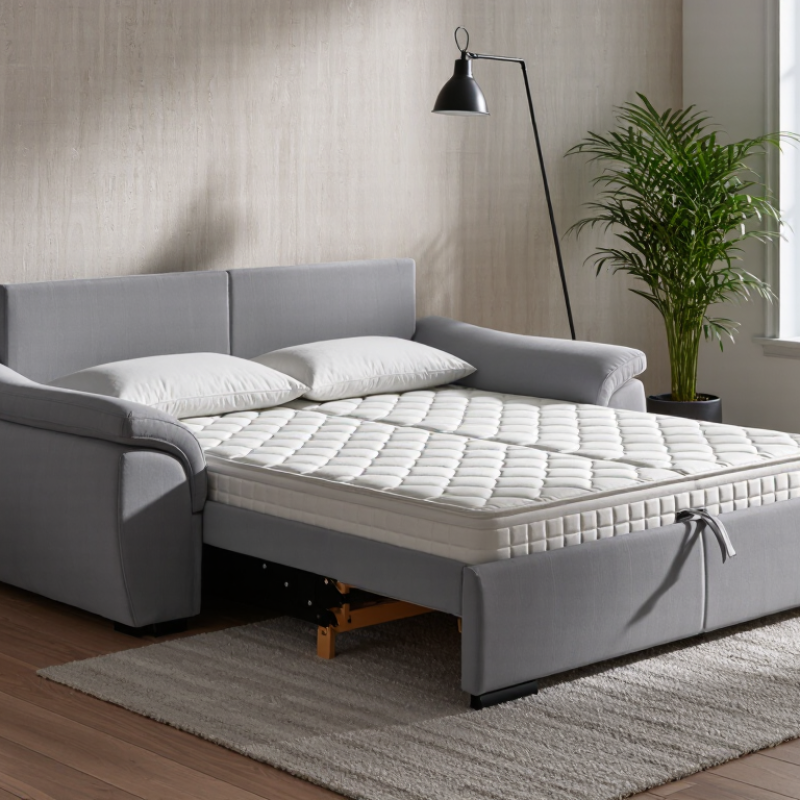
Sofa beds combine everyday seating with a surface for overnight guests, but their opening mechanisms affect comfort and room use. A pull-out model stores a mattress beneath the seat and slides it forward. It often feels more like a conventional bed, though the frame and mattress add weight. Check the floor clearance before buying; a low table can block the extension. Click-clack designs fold the backrest flat, creating a simpler sleeping surface. They take little effort to open. Yet the hinge may create a noticeable ridge beneath thin bedding. That small detail can matter more than a polished showroom appearance.
For homes and hotels, match the design to how often people will sleep on it. A fold-down style can suit compact rooms because it opens without a separate mattress drawer. Measure the full bed footprint, not just the sofa width, and leave a clear path beside it. Test the opening action if possible. The motion should feel steady, not jerky, and bedding should have somewhere to go during the day. A firmer mattress may support frequent use, while occasional guests may accept a thinner one. There is no perfect mechanism for every room; even a well-made sofa bed can feel cramped if its open position interrupts circulation.
Choosing a sofa bed starts with how often it will be used. For a home office that hosts occasional guests, a simple pull-out may be enough. For nightly sleep, test the mattress for pressure points and check whether its support feels even across the surface. Comfort matters. Measure the sofa in both positions, including space for walking around the open bed. A narrow room can make a generous mattress awkward to use. Also check the folded frame for sharp edges, loose joints, or a mechanism that catches during conversion. Try it more than once.
Hotels face heavier use and tighter room layouts. Compare the frame, hinges, and upholstery with the expected number of opening cycles, and ask how parts are serviced. Choose fabric that suits frequent cleaning, then confirm care instructions before purchase; some finishes tolerate wiping better than others. Check the sleeping area against the room’s guest capacity, not just the listed sofa width. Keep enough clearance for luggage and bedside access. A showroom test is only a snapshot; it cannot show months of nightly wear. One easy detail to miss is bedding storage: guests need a clean, convenient place for sheets and pillows.
Comfort varies more than showroom cushions suggest. A ten-sofa-bed comparison should assess both the seat and the sleeping surface. Pull-out models may offer a flatter mattress, while click-clack designs can feel firmer beneath the shoulders. Lie down for several minutes, if possible. Feel for the frame through the padding. A compact model may suit occasional guests, but nightly use calls for stronger mattress support. Looks matter. So does the morning-after comfort.
Design affects how naturally a sofa bed fits a room. Rounded arms and visible legs can make a bulky piece feel lighter, while a boxy silhouette often offers more seating space. Check the opened footprint, not just the sofa’s width. Measure the path from the door, too. A lovely design is less useful if it blocks a hallway when opened. I’d still weigh personal taste heavily; neat measurements cannot predict whether a room feels welcoming.
Durability depends on the frame, hinges, upholstery, and how often the bed opens. A solid-feeling frame and smooth, quiet movement are encouraging signs, though neither guarantees years of trouble-free use. Look for reinforced joints and removable covers where practical. Fabric samples help reveal texture, but they cannot show how a surface handles daily wear. Ask about care instructions and replacement parts before buying. One honest limitation: without long-term use, durability claims remain estimates, not proof.
A sofa bed must suit its room, not just look good in a product photo. At home, measure the open bed footprint, including clearance around a coffee table or doorway. A compact model may work for occasional guests, while nightly use calls for a supportive mattress and a mechanism that opens smoothly. Sit, lie down, and test the conversion if possible. Small details matter.
Hotel buyers face a different test: repeated use, quick room resets, and easy cleaning. The American Hotel & Lodging Association’s 2024 State of the Industry report, citing STR forecasts, projected U.S. hotel occupancy at 63.6%. That forecast is not proof of sofa-bed demand, but it highlights the value of furniture that serves guests reliably. Check frame stability, replaceable components, fabric performance, and mattress comfort. A heavy mechanism can frustrate staff; a thin mattress can disappoint guests. There is no perfect compromise.
Tips: Measure the room with the bed fully open. For hotels, ask suppliers about cycle testing and replacement parts. At home, test the mattress yourself. Comfort is personal. And sometimes, the sofa still feels too firm.
A sofa bed works hard: guests sit on it by day, then sleep on it at night. For home and hotel buyers, long-term value depends on care as much as the initial price. Vacuum upholstery weekly with a soft brush, especially along seams where crumbs collect. Blot spills promptly; rubbing can push stains deeper. Follow the maker’s cleaning instructions, since water or solvents can damage some fabrics. Small checks matter. Every few months, inspect hinges, bolts, slats, and mattress seams. Open and close the mechanism gently, and stop if it catches. Forcing it can turn a small adjustment into a costly repair.
BIFMA’s ANSI/BIFMA X5.4 standard sets durability and safety tests for lounge seating, offering buyers a useful benchmark for frame and seating performance. Ask suppliers what testing covers the sleeper mechanism, too; seating tests alone may not answer that question. The U.S. Environmental Protection Agency’s 2018 materials report estimated that 12.1 million tons of furniture and furnishings entered the municipal waste stream. That figure covers furniture broadly, not sofa beds specifically, but it underlines the cost of short product life. A replaceable mattress and accessible hardware can extend service life. Yet maintenance is not magic: daily hotel use may wear fabric faster than a spare-room sofa. Keep a record of repairs and cleaning, then review it before buying the next unit.
Lie on the mattress and notice pressure points. Check that support feels even from edge to edge. Comfort matters.
Measure it folded and fully open. Leave walking space around the bed, plus room for luggage or a bedside table. A wide mattress may still feel awkward in a narrow room.
Check hinges, joints, slats, and folded-frame edges. Open and close it more than once. Stop if it catches; forcing it may cause damage.
Match the frame and mechanism to frequent use. Ask how parts can be serviced, and check that guests can reach the bed without blocking room access. A showroom test is only a snapshot.
Check the care instructions before buying. Some fabrics tolerate wiping better than others. Blot spills promptly; rubbing can push stains deeper.
Look for a clean, convenient place for sheets and pillows. Guests need to find them easily. Easy to miss.
Vacuum weekly with a soft brush, especially along seams. Every few months, inspect bolts, hinges, mattress seams, and slats. Keep a simple repair and cleaning record.
No. Ask what the tests cover, including the sleeper mechanism. Seating tests may not assess it. I might trust a test too much without checking the details.
Replaceable mattresses and accessible hardware can make repairs easier. Still, hotel use may wear fabric faster than occasional home use. A higher initial price does not guarantee longer life.
Sofa beds combine seating and sleeping in one adaptable piece of furniture, with designs ranging from pull-out frames to fold-flat models. Choosing the right option means looking beyond appearance: comfort, mattress support, opening mechanism, dimensions, upholstery, and overall construction all affect everyday use. Comparing ten sofa beds through these practical features can help buyers understand the trade-offs between compact convenience, sleeping comfort, visual appeal, and durability.
For homes, priorities may include a comfortable place for occasional guests, easy operation, and a style that suits the room. Hotels may place greater emphasis on sturdy construction, simple maintenance, and reliable comfort for different guests. Whether researching a Sofa On Bed setup or another convertible design, buyers can match features to expected use and available space. Regular cleaning, careful operation, and prompt attention to wear can help maintain performance and extend long-term value.

ZoomRoom