In the evolving world of home decor, the Coffee Table stands as a central piece. As an expert in furniture design, John Miller states, “A Coffee Table is not just a piece of furniture; it reflects lifestyle and personality.” This sentiment captures the essence of what a Coffee Table represents in modern living spaces.
Global buyers are increasingly drawn to innovative designs emerging from China. The creativity and craftsmanship seen in these Coffee Tables offer a unique blend of tradition and modernity. Many designs showcase intricate details and multifunctional features, filling homes with both style and practicality.
However, the market faces challenges. With a plethora of options available, buyers often struggle to identify quality. Some tables may look appealing but lack durability. This inconsistency prompts buyers to carefully consider their choices and the true value of a Coffee Table in enhancing their living environment. The pursuit of the perfect design continues, as each piece tells its own story.
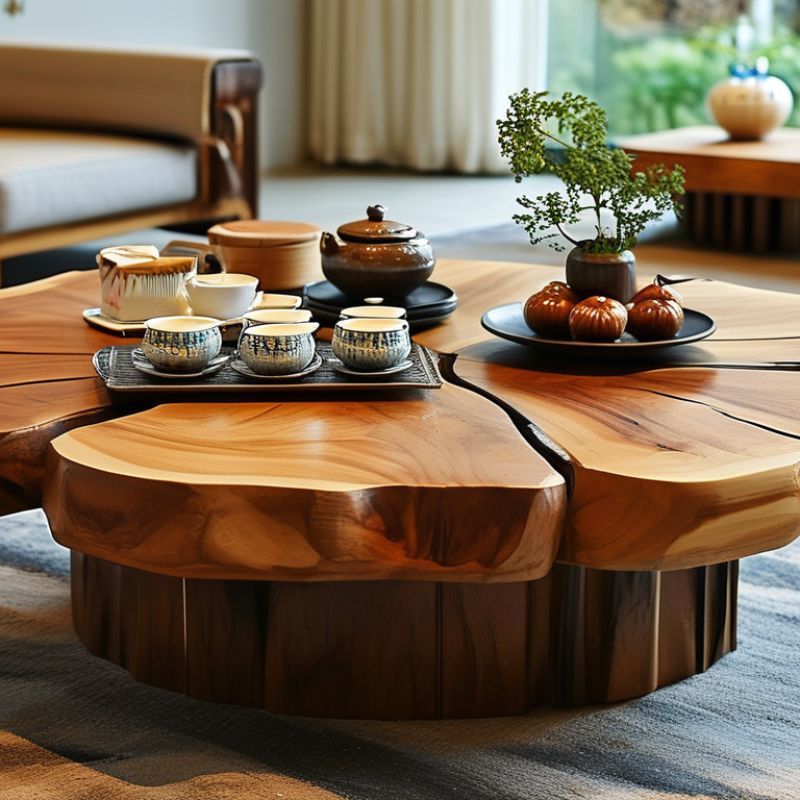
Chinese coffee table designs offer a unique blend of artistry and functionality. Many designs feature intricate carvings and natural wood finishes. These elements reflect traditional craftsmanship, appealing to buyers who value authentic aesthetics. Attention to detail makes each piece distinct. Unique shapes also draw interest, transforming a simple table into a statement piece.
Practicality is another key feature. Many tables include storage options, blending beauty with utility. Some designs boast expandable surfaces, catering to varying space needs. This versatility is appealing in modern homes where space is often limited. However, not every design prioritizes comfort or ease of use, which might frustrate some users.
Sustainability is increasingly important. Many manufacturers are focusing on eco-friendly materials and sustainable practices. Buyers are becoming more conscious of these aspects, seeking tables that are both stylish and responsible. There are still challenges, however, like balancing traditional techniques with modern demands. The evolving landscape of design keeps both artisans and consumers on their toes, highlighting the need for continuous innovation.
The design of coffee tables in China reflects a rich tapestry of cultural influences. Traditional craftsmanship merges with modern aesthetics. This combination creates diverse styles that resonate with global buyers. For instance, Ming dynasty elements often appear in contemporary designs. These tables exhibit intricate carvings and a deep appreciation for symmetry. The result is a sophisticated piece that tells a story.
Contemporary Chinese coffee tables are also inspired by Zen philosophy. Minimalist designs promote tranquility and simplicity. They frequently use natural materials like wood and stone. This connection to nature resonates with buyers seeking harmony in their living spaces. However, the challenge lies in balancing traditional elements with modern functionality. Consumers desire pieces that are both beautiful and practical.
Colors play a significant role in these designs. Earthy tones reflect the surrounding environment. Bright accents can evoke the vibrancy of Chinese festivals. While many designs aim for elegance, some may find them too culturally specific or less versatile. It's essential for designers to remain open to feedback, refining their approaches to cater to a global audience.
Chinese coffee tables showcase a rich variety of materials, reflecting both tradition and modernity. Wood is a dominant choice, with species like teak and mahogany providing durability and warmth. These wood types not only add aesthetic appeal but also ensure longevity, making them suitable for daily use. The craftsmanship involved often highlights intricate carvings, showcasing skilled artisanship.
Another popular material is metal. Stainless steel and wrought iron are frequently used. These materials add a contemporary touch, often seen in minimalist designs. Metal tables can be robust and offer a unique contrast to softer wooden pieces. Additionally, glass tops are commonly integrated. They provide a sleek finish and create an illusion of space, making rooms feel larger and brighter.
However, the use of certain materials has raised questions. For example, some woods may come from unsustainable sources, raising environmental concerns. Similarly, the production methods for metal may involve significant energy use. Buyers should consider these implications while choosing a coffee table. The balance between aesthetic appeal and responsible sourcing remains a challenge in the design world.
| Design Type | Material | Dimensions (LxWxH in cm) | Weight (kg) | Price Range (USD) |
|---|---|---|---|---|
| Modern Minimalist | Tempered Glass, Stainless Steel | 120 x 60 x 45 | 30 | 150 - 250 |
| Traditional Chinese | Solid Wood, Lacquer Finish | 100 x 50 x 40 | 25 | 200 - 350 |
| Industrial Style | Reclaimed Wood, Iron | 110 x 55 x 50 | 35 | 180 - 300 |
| Contemporary Art | Glass, Acrylic | 130 x 70 x 40 | 20 | 200 - 400 |
| Rustic Farmhouse | Pine Wood, Distressed Finish | 120 x 65 x 45 | 28 | 170 - 280 |
Coffee tables in China are evolving with the changing aesthetics of home decor. Current trends reflect a mix of traditional craftsmanship and modern minimalism. Buyers appreciate designs that balance form and function. Low-profile tables made of natural materials, such as wood and stone, are particularly popular. These materials add warmth and texture to living spaces.
In large cities, coffee tables often feature glass tops with sleek metal bases. This combination captures a contemporary vibe. Other favored designs include geometric shapes and asymmetrical styles. These unique forms challenge conventional norms, making the furniture a focal point in rooms. However, not all designs resonate universally. Some buyers find these bold choices overwhelming.
Functionality remains key. Tables with storage options are gaining traction. They provide practicality without sacrificing style. As global buyers engage with these options, they seek pieces that reflect their personal tastes. While trends may fluctuate, the enduring demand for versatility will shape the future of coffee table designs in China.
When selecting Chinese coffee tables, understanding the craftsmanship is crucial. Many tables are crafted from solid wood or intricate bamboo. These materials not only offer durability but also showcase unique textures. They come in various styles, from traditional to contemporary, appealing to different tastes. Look closely at the detailing; ornate carvings can highlight skilled artisanship, while minimalistic designs may suit modern aesthetics.
Consider the size of the table in relation to your space. A compact table might work well in smaller rooms, while larger tables can be a statement piece in expansive living areas. Finish options also matter. Natural finishes often enhance the grain's beauty, while painted tables can add a pop of color. It's important to reflect on your existing decor when making a choice.
Researching suppliers is a vital step. Read reviews and ask about their production processes. This ensures reliability in quality and design. If possible, visit showrooms to see pieces firsthand. It's a chance to test their sturdiness and feel their texture. Buying online can be convenient but might lack this tactile experience. Keeping these aspects in mind can lead to a satisfactory purchase.
: Chinese coffee tables often use wood, metal, and glass. Wood provides warmth. Metal offers a modern touch.
Wood like teak and mahogany brings durability and beauty. It enhances aesthetic appeal and lasts long.
Current trends mix traditional and modern styles. Popular designs include low-profile tables and geometric shapes.
Some wood sources may not be sustainable. Metal production may use a lot of energy. Buyers should be aware.
Look for solid wood, unique textures, and detailed carvings. These features reflect artisanship and enhance quality.
Size matters significantly. Compact tables fit small spaces. Larger tables can become statement pieces in big rooms.
Yes, natural finishes highlight wood grain. Painted finishes can add color but may not suit every decor style.
Visiting a showroom allows you to test sturdiness and feel textures. This experience helps in making an informed decision.
Some designs may feel overwhelming or not resonate with everyone. Balancing style and practicality can be tricky.
Research suppliers, read reviews, and ask about production processes. This ensures reliability and satisfaction in the final product.
The article "Top China Coffee Table Designs for Global Buyers Needs" provides an insightful exploration of the unique characteristics that define Chinese coffee table designs. It highlights the cultural influences that shape contemporary styles, illustrating how traditional craftsmanship blends with modern aesthetics. The use of diverse materials, such as wood, metal, and glass, is discussed, emphasizing their role in creating durable and visually appealing pieces.
Furthermore, the piece outlines popular design trends currently emerging in China, which reflect a mix of functionality and artistic expression. Lastly, it offers practical tips for global buyers on selecting the perfect Chinese coffee table, ensuring they choose pieces that not only fit their style preferences but also resonate with the rich heritage of Chinese design. This comprehensive overview helps potential buyers appreciate the artistry and thoughtfulness behind these charming coffee tables.

ZoomRoom