Choosing the perfect dining chair is crucial for any home. A well-selected chair can enhance comfort, style, and functionality. According to a recent report by the Furniture Insights Group, the dining chair market is projected to grow by 5% annually through 2027. This growth underscores the importance of understanding consumer needs in discerning aesthetics and durability.
Industry expert John Anderson, a renowned interior designer, emphasizes, “The right dining chair can transform a space into a welcoming environment.” When selecting a dining chair, factors such as material, design, and usability should be considered. Balancing elegance with everyday practicality is essential. Many homeowners overlook how the chair's height and width fit in the dining setting.
Reflecting on these elements can lead to better choices. Aesthetic appeal shouldn’t compromise comfort. Additionally, trends change; a chair that seems trendy now might not hold value in a few years. Consider how a chair’s style will age. The dynamics of a home shift; flexible seating options can accommodate different gatherings. Keep in mind that your dining chair should complement both your taste and your lifestyle.
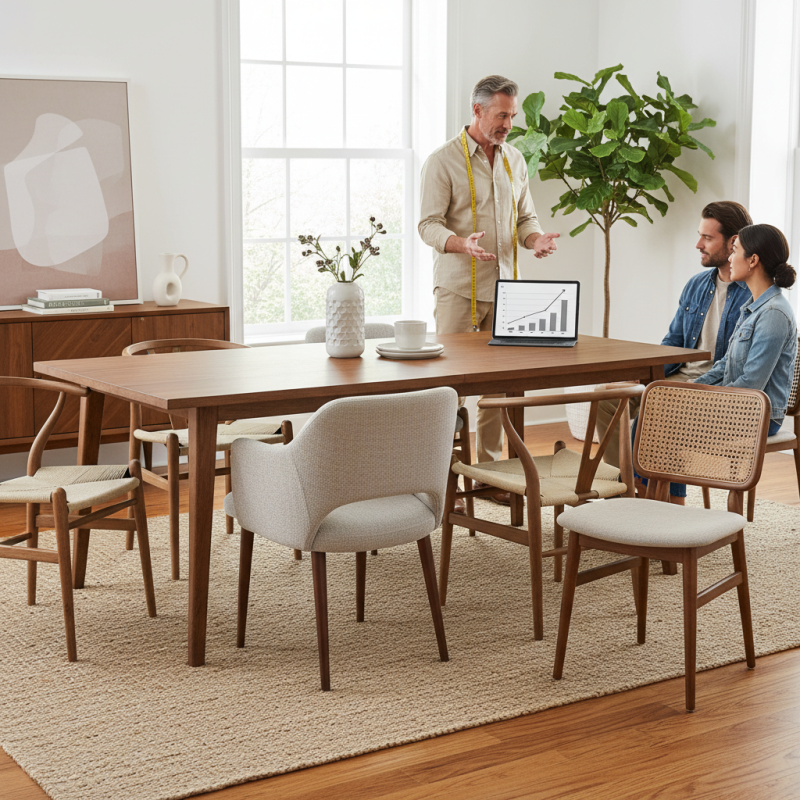
Choosing the right dining chair requires a deep understanding of your dining space and personal style preferences. Start by assessing the size and layout of the area. Measure the table height and ensure the chairs fit comfortably beneath it. A cramped dining space can feel chaotic. Aim for at least 24 inches of space per person for a pleasant dining experience.
Next, think about the style that resonates with you. Are you drawn to modern, minimalist designs or do you prefer classic, ornate styles? Your dining chairs should complement the overall aesthetic of your home. Mixing different styles can create visual interest but requires careful consideration. Too many conflicting elements can look cluttered.
Tips: Consider the chair material. Wood, metal, or upholstered chairs all wear differently. If you have a busy household, robust materials may be more suitable. Also, think about comfort and durability. Will you be sitting for long meals? Cushioned chairs provide more comfort but may require more upkeep.
Remember that your dining area is a reflection of you. When selecting chairs, consider how they will be used and the atmosphere you want to create. It’s an opportunity to express your personal taste. Reflect on your choices. Is the style practical for everyday use? Do they truly enhance your dining experience?
This chart illustrates the importance of various factors homeowners consider when choosing dining chairs. The factors include Comfort, Style, Durability, Price, and Material. Each of these factors plays a significant role in the decision-making process.
Choosing the right dining chair involves more than aesthetics. Comfort and ergonomics are essential for a pleasant dining experience. Poorly designed chairs can lead to discomfort during meals. It’s vital to evaluate the seat depth, backrest height, and overall structure of the chair.
When testing comfort, consider how the chair supports your posture. Ideally, your feet should touch the ground comfortably. The seat should allow for movement without feeling restrictive. Cushions can enhance comfort, but too much padding may hinder support. Test the chair for at least 10 minutes to gauge comfort levels.
Also, consider your dining habits. Casual breakfasts might not require the same support as formal dinners. Reflect on your preferences. Do you prefer hard or soft surfaces? Are you taller or shorter than average? Such details can significantly influence your choice. Choosing the perfect dining chair requires you to focus on both comfort and your unique needs.
Choosing the right material for dining chairs can greatly impact both their durability and aesthetics. Wood is a classic choice, offering a warm, inviting feel. Hardwoods like oak or maple are known for their strength and longevity. They can withstand daily use and frequent gatherings.
Upholstered chairs provide comfort but require careful consideration. Fabrics should be chosen based on ease of cleaning and resistance to stains.
Metal chairs are another option. They add a contemporary touch and are often lightweight. However, metal can scratch or dent. It's essential to think about how they will fit into your overall decor. Leather is luxurious but also needs regular maintenance to keep it looking its best. It's a balancing act between style and practicality.
Reflecting on your lifestyle is crucial. If you have kids or pets, durability is key. Consider if a fabric chair can survive spills or scratches. Sometimes, our choices might lead to regret later. A beautiful chair that doesn't hold up to daily life may end up in the garage. Think about how often chairs are used and how they will age in your space.
When choosing dining chairs, sizing and proportions are crucial for a harmonious fit. A chair should complement your table's height. Measure your table's height. The ideal seat height ranges between 10 to 12 inches shorter than the table. A difference ensures comfort during meals.
Consider the width of the chairs. Ensure there's enough space for diners. Each person typically needs about 24 inches of space. Avoid crowding. Think about the style and shape of your table as well. Rectangular tables blend well with straight-back chairs, while round tables often suit curved or upholstered designs.
Tips: Try different arrangements in advance. Arrange chairs around the table before making a decision. This helps visualize the space. Test the comfort by sitting down for a few minutes. Do the chairs feel right? Are they too high or low? Reflect on how easy it is to get in and out. Your dining experience heavily relies on these subtle details.
When choosing dining chairs, balancing budget and quality is crucial. Many shoppers focus solely on price, but low-cost chairs may lack durability. Consider materials like solid wood or metal instead of particle board. These options can be more expensive, yet offer longevity. A chair that lasts years is a better investment than a cheaper one that breaks after months.
Evaluate comfort in addition to price. Cheap chairs often use thin padding, making them uncomfortable. Always test a chair before buying. If you plan to host gatherings, comfort is essential. A well-designed chair enhances the dining experience. Look for features like ergonomic support and appropriate height.
Think about the overall design too. Some may sacrifice aesthetics for cost. A chair that doesn’t match your dining table can disrupt the visual flow. Aim for harmony in your dining area. Reflect on your space and how the chairs will fit. Mixing styles can work, but ensure they complement each other. By focusing on both quality and budget, you can create a dining experience that feels both practical and inviting.
| Chair Type | Material | Price Range | Comfort Level | Durability |
|---|---|---|---|---|
| Wooden Chair | Solid Wood | $100 - $300 | High | Very Durable |
| Metal Chair | Steel | $80 - $250 | Medium | Very Durable |
| Upholstered Chair | Fabric | $150 - $400 | Very High | Medium Durability |
| Plastic Chair | Polypropylene | $50 - $150 | Low | Low Durability |
| Bar Stool | Leather | $120 - $350 | High | Durable |
: Evaluate seat depth, backrest height, and how well the chair supports your posture.
Testing for at least 10 minutes helps gauge comfort levels effectively.
Material impacts durability and aesthetics. Hardwood offers longevity, while upholstery enhances comfort.
Your lifestyle influences durability needs, especially if you have kids or pets.
Focus on materials like solid wood or metal over cheaper options to ensure longevity.
Ensure the chairs complement your dining table, maintaining visual harmony in your space.
While aesthetics matter, comfort is crucial for a pleasant dining experience.
Choosing beautiful chairs that lack durability can lead to disappointment over time.
Yes, frequent use requires durable options to withstand wear and tear.
Consider appropriate height and support for your back to enhance comfort during meals.
When choosing the perfect dining chair for your home, it's essential to consider your dining space and individual style preferences. Start by evaluating the overall ambiance of your dining area and how different chair designs can complement it. Comfort and ergonomics are also crucial, as the right chair should support a pleasant dining experience, allowing for extended periods of sitting without discomfort.
Material selection plays a significant role in both durability and aesthetics. Opt for materials that not only enhance the visual appeal of your dining room but also withstand daily use. Additionally, ensuring proper sizing and proportions is vital for a harmonious fit within your space. Finally, it's important to balance your budget with the quality of the dining chair to make an informed and satisfying purchase that meets both your practical needs and design aspirations.

ZoomRoom