Choosing the right dining table is crucial for your home. According to a recent report by the National Kitchen and Bath Association, dining table dining impacts overall home aesthetics and functionality. The table is often the centerpiece, affecting social interactions and family gatherings.
Experts recommend considering size, shape, and material. The average American household has about 2.5 people, suggesting a need for at least a six-person table for flexibility. Many buyers overlook the importance of comfort and space. A poorly sized table can hinder movement and conversation.
Additionally, trends show that solid wood tables are highly favored for durability and style. However, some may struggle with maintenance or budget constraints. Reflecting on your own needs and lifestyle can prevent impulsive decisions. A dining table should be a long-term investment, not just an aesthetic choice. Take time to evaluate and make informed choices.
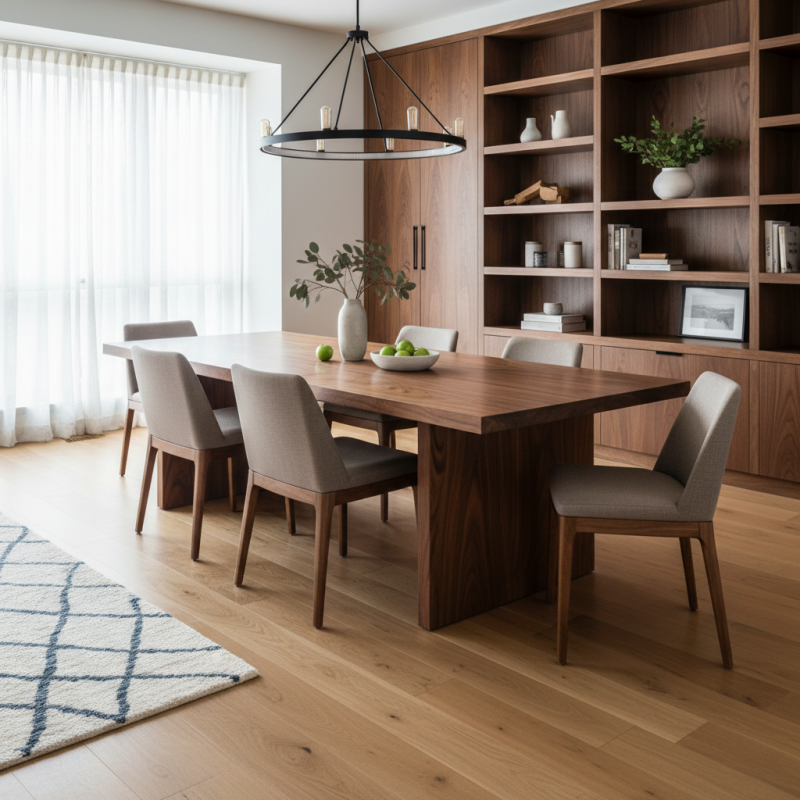
Choosing the right dining table starts with understanding your space. Measure your dining area carefully. Note the length and width of the room, leaving room for chairs and movement. Aim for at least 36 inches around the table for comfort. This avoids a cramped feel.
Visualizing the table's footprint is crucial. Use tape or paper to outline the table's size on the floor. This helps you see how it fits. Pay attention to the scale of your room. An oversized table in a small area can overwhelm the space.
Consider the shape of your table, too. Round tables work well in smaller areas. They encourage conversation and allow for easier movement. However, you may need more space for a rectangular table. Reflect on how often you host guests. This will influence your decision. Don't rush the process; finding the perfect table takes time.
Choosing the right material for your dining table can significantly impact your home’s aesthetics and functionality. Wood is a classic choice, admired for its warmth and longevity. According to a report by the Furniture Industry Association, over 45% of consumers prefer wooden tables because of their durability. Wood can withstand daily use and can be refinished when scratched, making it a reliable option.
Glass offers a modern alternative that creates an illusion of space. Its reflective qualities can brighten up a room, but it is prone to scratching and requires regular cleaning. A survey from Home Decor Insights notes that only 28% of buyers opt for glass tables due to the maintenance hassle. Metal and composite materials are on the rise, favored for their industrial look and resistance to stains. They provide a contemporary vibe, often appealing to young homeowners.
**Tips:**
Consider your lifestyle before making a choice. If you have kids or pets, opt for wood or composites for better wear resistance. Think about maintenance, too. Glass will demand more cleaning than wood or metal options. Measure your space carefully to ensure your chosen table fits perfectly without crowding the room.
When selecting a dining table, style plays a crucial role. Modern designs often feature sleek lines and minimalistic aesthetics. These tables promote a clean, airy atmosphere. In contrast, traditional tables showcase intricate details and classic materials. Wood finishes often highlight craftsmanship, appealing to those who value heritage.
Eclectic designs blend various styles and materials. This approach encourages personal expression, allowing homeowners to mix vintage with contemporary. According to a recent industry report, 40% of consumers prefer eclectic designs, appreciating their unique charm. However, blending styles can be challenging. It requires a thoughtful approach to maintain cohesion. Choosing a dominant theme while integrating contrasting elements is vital.
Measurement matters significantly in the selection process. A table needs to fit the space yet allow for movement. 60% of surveyed homeowners underestimated space requirements. This often leads to overcrowding or underused areas. One must consider both functionality and aesthetic appeal when making a choice. Each style offers unique advantages but also potential pitfalls to navigate.
Choosing a dining table requires more than just style. It's vital to consider features that enhance everyday use. A table should fit your space and accommodate your lifestyle. According to recent industry data, around 72% of homeowners prioritize functionality over aesthetics when selecting furniture. This indicates a shift towards practical choices.
One crucial feature is the material. Wood tables are durable, often lasting decades with proper care. However, they can be prone to scratching. Glass tables, on the other hand, are elegant but need regular cleaning to maintain their shine. Remember, easy maintenance is also a key aspect of functionality.
**Tip:** When evaluating a table, check if it can be extended or adjusted to accommodate gatherings. Versatile designs allow for more flexibility in various scenarios.
Another important factor is the size. A table should comfortably fit in your dining area, allowing enough space for movement. A table that is too large can feel overwhelming. Research shows that a minimum of 36 inches between the table and walls or furniture helps ease movement.
**Tip:** Measure your space before making a purchase. Visualize how the table will function in your daily life. Prioritize a balance between size and comfort.
| Feature | Description | Recommended Size | Best Materials |
|---|---|---|---|
| Shape | Round, rectangular, square - affects seating arrangement and space efficiency. | 60”-72” for rectangular; 48”-60” for round. | Wood, glass, metal. |
| Extension | Tables that can expand for additional guests. | Minimum 60” for base table size. | Solid wood, laminate. |
| Height | Standard dining height is for comfort when seated. | 28”-30” high. | Wood, metal. |
| Storage | Tables with drawers or shelves for utensils and napkins. | Varies by table design. | Wood, MDF. |
| Style | Modern, rustic, traditional - choose according to home decor. | N/A | Varied depending on aesthetics. |
When choosing a dining table, budget is a key consideration. The perfect table can vary in cost depending on size, material, and design. It's easy to get overwhelmed by options. Set a clear budget before you start shopping. This helps narrow down choices and prevents overspending.
Consider how often you host family and friends. If you entertain regularly, investing in a higher-quality table may be wise. A solid wood table can last for years, but it usually comes at a higher price. If you have kids or pets, you might need to factor in durability and ease of cleaning.
Tips: Look for tables that allow easy expansion. A drop-leaf design can be practical for small spaces. Explore local markets for unique pieces that fit your style. Don’t forget to measure your space. An ill-fitting table can disrupt your room's flow. Always reflect on how your lifestyle affects your choice. Are you ready for a long-term commitment, or do you prefer flexibility?
: Carefully measure the length and width of the room. Leave space for chairs and movement.
Aim for at least 36 inches around the table. This avoids a cramped feel and allows easy movement.
It helps you see how the table fits in your space. Use tape or paper to outline its size on the floor.
Round tables are ideal for smaller spaces. They encourage conversation and allow easier movement.
Consider how often you host. This will help determine the table size and shape you need.
Modern designs feature sleek lines and minimal aesthetics, promoting a clean and airy atmosphere.
Traditional tables showcase intricate details and classic materials, highlighting craftsmanship and heritage.
Eclectic designs blend various styles and materials, allowing for personal expression and unique charm.
Many homeowners underestimate space requirements. This can lead to overcrowding or underused areas.
Maintain cohesion by choosing a dominant theme while integrating contrasting elements thoughtfully.
Choosing the perfect dining table for your home involves several key considerations that ensure both style and functionality. First, it's crucial to assess your space by accurately measuring the area to determine the right dining table size. This helps in creating a comfortable dining environment. Next, selecting the appropriate material—whether wood, glass, metal, or composite—can significantly impact the aesthetics and durability of your table.
Understanding the different styles available is also essential; from modern to traditional and eclectic designs, the table should complement your overall home decor. Additionally, considering functionality is paramount; features like extendable surfaces or integrated storage can enhance everyday use. Finally, factoring in your budget will guide you in making a wise investment in your dining table dining without overspending while still achieving your desired look and practicality.

ZoomRoom