Choosing the perfect round dining table for your home can be a daunting task. Experts emphasize the importance of space, style, and functionality. Interior designer Sarah Thompson, renowned for her work in modern spaces, states, “A round dining table fosters connection and makes any meal feel more intimate.” This insight highlights the emotional aspect of dining furniture.
When selecting a round dining table, consider the size of your dining area. A table that feels cramped can overwhelm the space. Additionally, the material and design should complement your home’s aesthetic. An elegant wooden table can add warmth, while glass can create an illusion of openness.
Reflect on your lifestyle needs. If you frequently entertain, opt for a larger table. However, smaller tables can create a cozy atmosphere for daily meals. A round dining table should be both practical and stylish, encouraging gatherings while fitting seamlessly into your home. Keep in mind that what works for one family may not suit another. A thoughtful approach will lead you to the ideal choice.
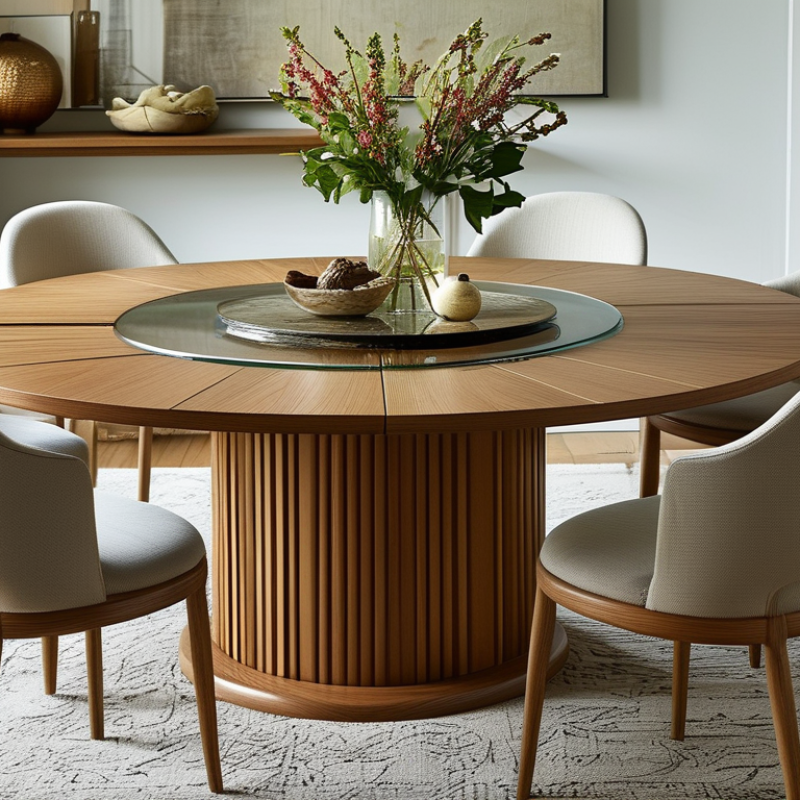
Round dining tables hold significant advantages in home design. They promote interaction among diners. People seated around a round table can engage more freely and comfortably. Research shows that circular tables increase social engagement by up to 30%. This design encourages conversations, fostering a greater sense of community.
Moreover, round tables are space-efficient. In homes with limited square footage, these tables offer flexibility. They can fit snugly into corners or small dining areas. According to a recent survey by the National Kitchen and Bath Association, round tables are popular in 45% of compact dining spaces. Their absence of corners allows for smooth movement and less clutter.
However, not every family finds a round table ideal. Some might miss the symmetry offered by rectangular tables. While round designs encourage closeness, they may limit surface area for serving dishes. It’s crucial for buyers to assess their specific needs. A round table may not be a one-size-fits-all solution. Understanding personal habits and dining frequency can help in making the right choice.
Choosing the right round dining table hinges on understanding your space and size needs. According to industry reports, nearly 60% of families eat dinner together at home. This underscores the importance of finding a table that fits comfortably in your dining area. Measure your space carefully, allowing at least 36 inches around the table for easy movement. This simple yet crucial step can make or break your dining experience.
Consider the number of people you usually entertain. A standard round table measures between 48 to 60 inches in diameter, seating four to six people. However, if your space is limited, a smaller 36-inch table may suffice for intimate meals. Flexibility is key; note that floating chairs can enhance your capacity during gatherings. Remember, functionality needs balance with aesthetic appeal.
Many homeowners overlook the impact of dining area proportions. A table that is too large can overwhelm a room. Conversely, a table that is too small may feel inadequate. Consult design professionals or space planning tools for insights into optimal dimensions. Regularly reassess your dining needs. Is your family growing? Do you host more often? These questions can guide your decision-making process effectively.
Choosing the right material for your round dining table is essential. Each option offers unique benefits and some challenges. Wood is a popular choice for its warmth and timeless appeal. Reports indicate that solid wood tables can last over 20 years with proper care. However, they may require regular maintenance to prevent scratches and ensure durability.
Glass tops provide a modern look. They can create the illusion of more space. But, they are prone to fingerprints and can break easily. A study suggests that glass tables should be tempered for safety. This can add a layer of protection, but it may also increase costs.
Metal surfaces, such as stainless steel, are durable and easy to clean. They tend to resist stains and scratches. However, they might feel cold and uninviting in a home setting. Some homeowners find metal tables less appealing for family gatherings. Each material presents its trade-offs. Consider your lifestyle and the atmosphere you want to create. Choosing the right surface is a personal journey requiring reflection and careful thought.
When choosing a round dining table, consider how well it blends with your home decor. A rustic wooden table adds warmth to a traditional space. In contrast, a sleek glass design fits seamlessly in a modern setting. Think about the colors and materials around your home. Matching finishes can create a cohesive look.
Shape matters just as much as style. Round tables encourage conversation and create an inviting atmosphere. If your dining area is small, look for a table with a pedestal base. This design maximizes legroom and space efficiency. If the room is larger, you might explore tables with extendable features, allowing flexibility for gatherings.
Don’t forget about the table’s height. Standard dining tables typically range from 28 to 30 inches. Ensure this dimension complements your chairs. Experiment with different configurations until you find the best fit. You might find that a table you liked initially doesn’t work as well once placed in your home. That’s perfectly normal and part of the process.
When budgeting for a round dining table, it’s crucial to set a realistic price range based on quality and design. According to a recent industry report, the average cost of a quality round dining table typically falls between $300 and $1,500. This price range reflects various materials, styles, and finishes. Cheaper tables may lack durability, while more expensive ones often feature superior craftsmanship.
Consider what matters most to you. Solid wood tables tend to be pricier but offer longevity. Laminated surfaces can be budget-friendly but might not withstand heavy use. A report by the Furniture Today illustrates that about 30% of consumers wish they had invested more in their dining furniture for long-term satisfaction. It's essential to assess your lifestyle and space before making a decision.
Don't overlook additional costs like delivery or assembly. Many retailers include these fees in their pricing, adding unexpected expenses. Always read reviews, focusing on customer experiences to gauge the value of your potential purchase. Balancing aesthetics and practicality can be challenging, but thorough research can guide you to a dining table that fits your home and budget.
: Round dining tables promote interaction and help engage diners better. They also foster a sense of community during meals.
Round tables are space-efficient and can fit into corners. They allow smooth movement and reduce clutter in compact areas.
Families who prefer symmetry may find round tables challenging. Some might find limited surface area for serving dishes.
A standard round table measures 48 to 60 inches in diameter. Smaller tables, around 36 inches, work for intimate meals.
It’s best to allow at least 36 inches around the table for easy movement. This can significantly improve dining experiences.
Quality round dining tables typically range from $300 to $1,500. Research materials and styles that fit your budget.
Solid wood tables offer durability but are pricier. Laminated surfaces are budget-friendly but may not withstand heavy use.
Yes, consider additional costs like delivery and assembly. These can add to the overall price unexpectedly.
Reflect on your family size and hosting frequency. Regularly reassessing these factors can guide your decision effectively.
About 30% of consumers wish they had invested more in dining furniture for long-term satisfaction. Evaluating needs is crucial.
Choosing the perfect round dining table for your home involves understanding several key aspects. First, recognizing the benefits of round dining tables can enhance your home design, as they promote conversation and fit well in various spaces. Evaluating the size and layout of your dining area is crucial to ensure the table complements your environment.
Material options are essential when selecting the right surface; whether you prefer wood, glass, or metal can influence the overall aesthetic. Additionally, considering styles and designs that match your existing decor will help create a cohesive look. Lastly, budgeting is vital to find quality round dining tables that meet your financial expectations while offering durability and style. By taking these factors into account, you can make an informed decision that enhances your dining experience.

ZoomRoom