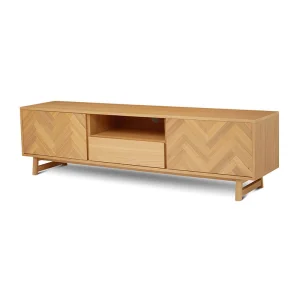
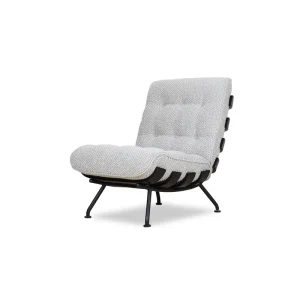
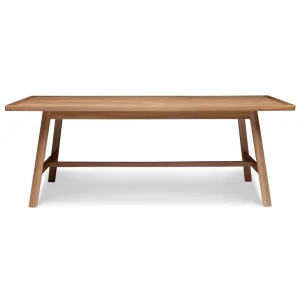
Explore our premium factory-direct interior collections designed to meet the rigorous standards of global hospitality, retail, and commercial developments.
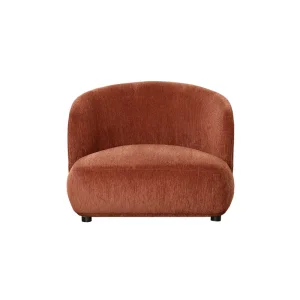
Analyzing how contemporary interior developments and macro consumer behavior shape B2B sourcing requirements for bedside tables and drawers.
The modern bedroom has transcended its traditional role as a simple sleeping environment. Today, it operates as a multi-functional sanctuary where technology integration, minimalist aesthetics, and architectural storage solutions intersect. Within this design paradigm, the procurement of high-caliber bedside tables and drawers has become highly critical for commercial interior designers, real estate developers, and wholesale distributors. Global purchasing strategies now look beyond mere functionality to emphasize carbon neutrality, advanced materials engineering, and modular scalability.
From an industrial perspective, current product development focuses on the optimization of compact footprints. Urban multi-dwelling units and boutique hospitality settings demand high-efficiency spatial footprints. This has triggered a significant shift towards floating wall-mounted designs, slimline bedside chests, and multi-drawer configurations equipped with concealed hardware. Manufacturers are heavily investing in structural testing, ensuring that double or triple-drawer modules can support substantial static and dynamic weight ratios without experiencing joint fatigue or structural misalignment over long-term usage.
Information Gain Insight: The integration of Internet of Things (IoT) features is no longer a luxury secondary tier option; it is rapidly becoming a baseline standard. Top-tier global manufacturers are redesigning internal drawer cavities to house wireless induction charging coils, integrated USB-C power delivery hubs, and smart LED motion-activated ambient runners. When planning a bulk purchase, understanding how factories route electrical wires through moving joints while adhering to global safety certifications (such as UL, CE, and RoHS) is the ultimate metric of technological maturity.
Furthermore, material sustainability remains a dominant catalyst in modern procurement cycles. International regulations, including CARB Phase 2 and the European E1/E0 formaldehyde emission standards, heavily govern the raw board selections utilized in bedside table manufacturing. High-density fiberboard (HDF), premium plywood veneers, and solid timber variants (such as FSC-certified oak and walnut) are subject to intense quality checks before milling. Sourcing managers must trace the source of these timber bases to prevent downstream supply chain disruptions and ensure compliance with localized environmental mandates.
Unveiling the exact technical and operational specifications that international procurement executives demand from Chinese furniture factories.
Procuring furniture on an international scale requires a keen understanding of localized structural codes, packaging metrics, and performance standards. Large-scale hospitality developments require bedside units that can withstand heavy impacts, chemical cleaning agents, and high ambient humidity. Consequently, structural engineering documentation has become a mandatory component of factory tenders. For B2B clients, specifying custom design variations involves defining exact hardware tolerances, drawer slide cycle ratings, and veneer thicknesses down to the millimeter.
Sourcing standards mandate undermount soft-close drawer runners (such as DTC or Blum) rated for at least 50,000 cycles without structural sag or noise.
Substrates are verified via gas analysis for formaldehyde emissions. Moisture content of solid woods must remain within 8%–12% to prevent warping.
Adhering to ASTM F2057 standards, units require integrated mechanical wall anchors or counterweighted bases to eliminate accidental tipping hazards.
Furthermore, customization (OEM/ODM) is the primary mode of B2B procurement. Professional buyers rarely purchase off-the-shelf catalog models without requesting dimensional adjustments, distinct metallic trim elements (such as PVD electroplated brass handles), or integrated power units. A capable factory must offer comprehensive custom prototyping services, complete with detailed CAD and 3D rendering assets, prior to mass-producing physical mockups. This reduces lead times and minimizes structural design discrepancies.
A transparent breakdown of manufacturing cost structures, volume discount tiers, and specification impacts on the final FOB pricelist.
Understanding factory-level pricing structures is essential for successful commercial negotiations. The cost of a bedside table is dictated by its substrate material, joinery complexity, hardware quality, and order volume. While a simple MDF melamine-laminated bedside stand can be priced below $25 at high volumes, a premium solid timber unit featuring CNC-milled textured drawer faces, Italian leather accents, and integrated wireless charging elements can easily exceed $180 FOB. Sourcing managers must analyze these individual variables to optimize their target margins.
| Category Reference | Substrate & Finish | Hardware Type | MOQ Tier | FOB Price Range (USD) | Certifications |
|---|---|---|---|---|---|
| Model Eco-MDF 01 | E1 MDF + Wood-grain Melamine Finish | Standard ball-bearing slides (No Soft Close) | 200 Pcs | $22.00 – $35.00 | CARB Phase 2, RoHS |
| Model Mid-Veneer 02 | E0 Particle Board + Natural Ash Veneer | Standard soft-close concealed runners | 100 Pcs | $45.00 – $68.00 | FSC, ISO 9001 |
| Model Smart-Lux 03 | Plywood Core + Walnut Veneer + PU Lacquer | Heavy-duty undermount push-to-open slides | 50 Pcs | $85.00 – $120.00 | CE, UL, EN 14749 |
| Model Premium-Solid 04 | FSC Oak/Walnut + Metal Leg Frames (PVD) | Premium soft-close synchronised runners | 50 Pcs | $130.00 – $195.00 | FSC, ASTM F2057 |
It is important to note that these values represent FOB base costs. Sourcing departments must also account for packaging optimizations (flat-pack mail order packaging vs. pre-assembled carton protection), container utilization metrics (CBM calculation), and palletization options. Choosing flat-pack shipping significantly reduces ocean freight costs per unit, but requires high precision in the design of instructions, cam-lock joinery systems, and hardware allocation to prevent user assembly failure at the retail level.
Discover our heritage of combining premium engineering, expert craftsmanship, and timeless design to shape inviting spaces since 2016.
At ZoomRoom Designs, our journey began in 2016. We were founded by design enthusiasts who believed in a better way of living. We shared a passion for great design and livable luxury, driven by the core belief that furniture should enrich the life of a home as much as it enhances its visual character. Since that beginning, our teams have taken immense pride and joy in sharing our innovative, authentic, quality-made, and lasting furniture discoveries with global customers who refuse to compromise on design integrity.
We believe that a home is more than a series of rooms; it is a personal narrative that reflects individual style. ZoomRoom Designs helps clients shape this narrative. We view the home as a sanctuary—a place for gathering with loved ones and savoring the quiet pleasure of solitude. Whether the design intent is traditional or modern, our mission is to deliver delightful home furnishings that bring personal style to life. Meticulously constructed by expert craftsmen, each piece is engineered to endure for generations, showcasing the warmth and natural beauty of premium timber.
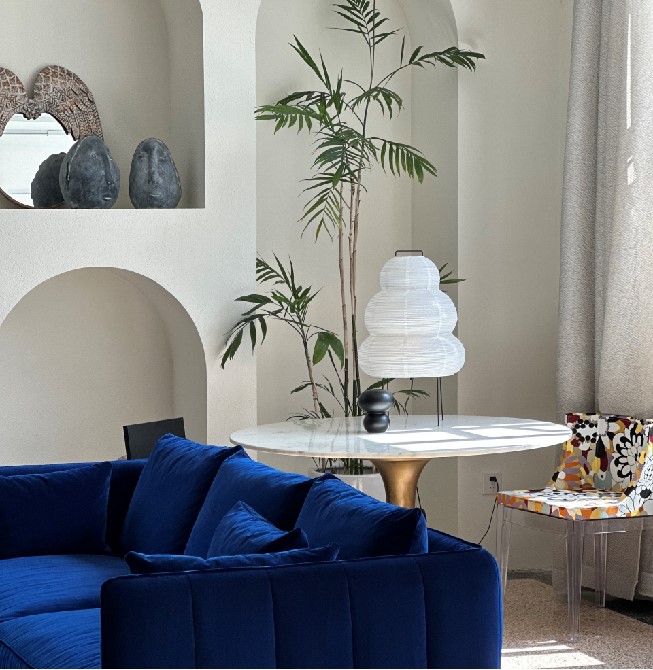
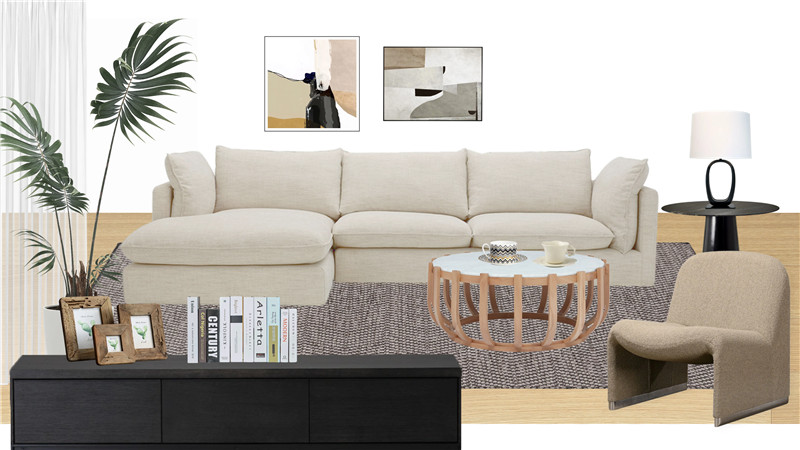
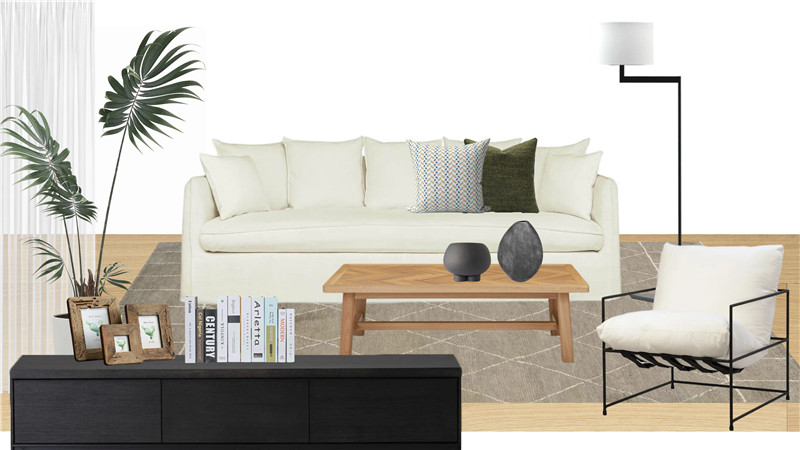
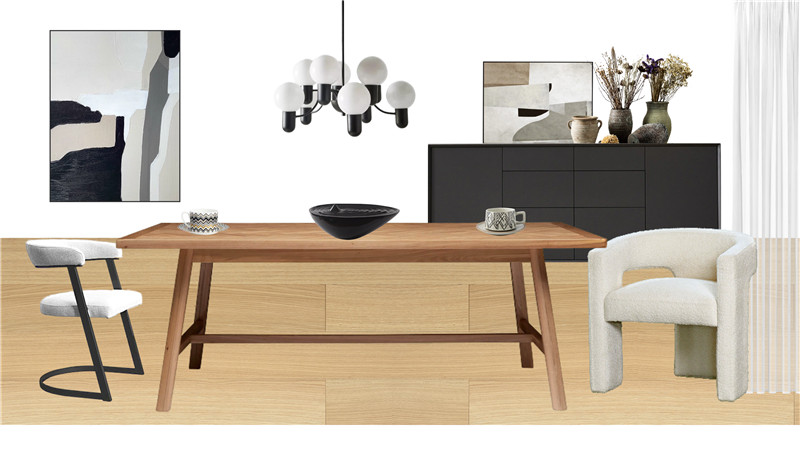
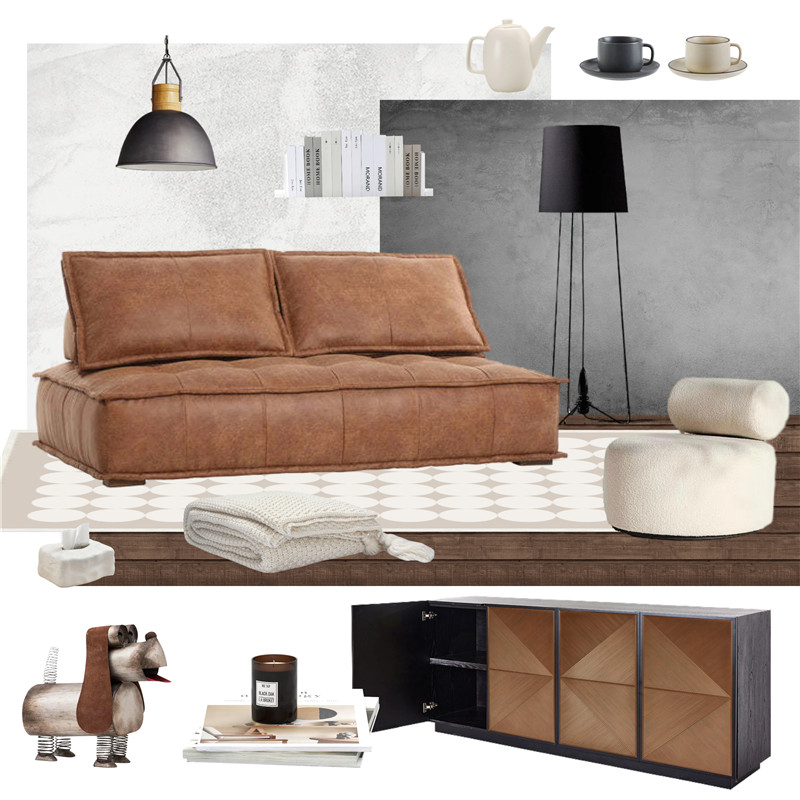
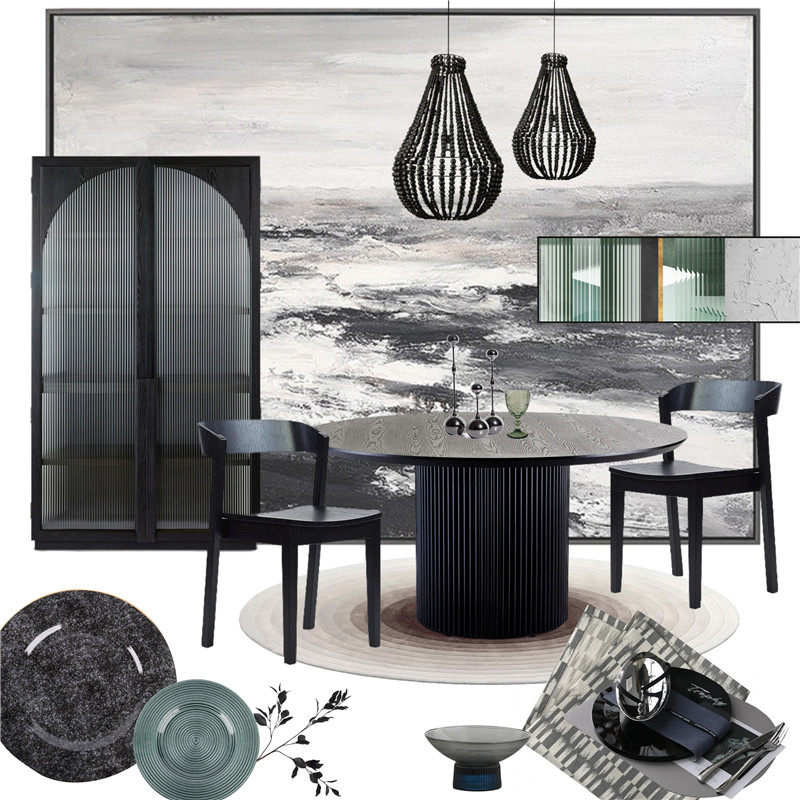
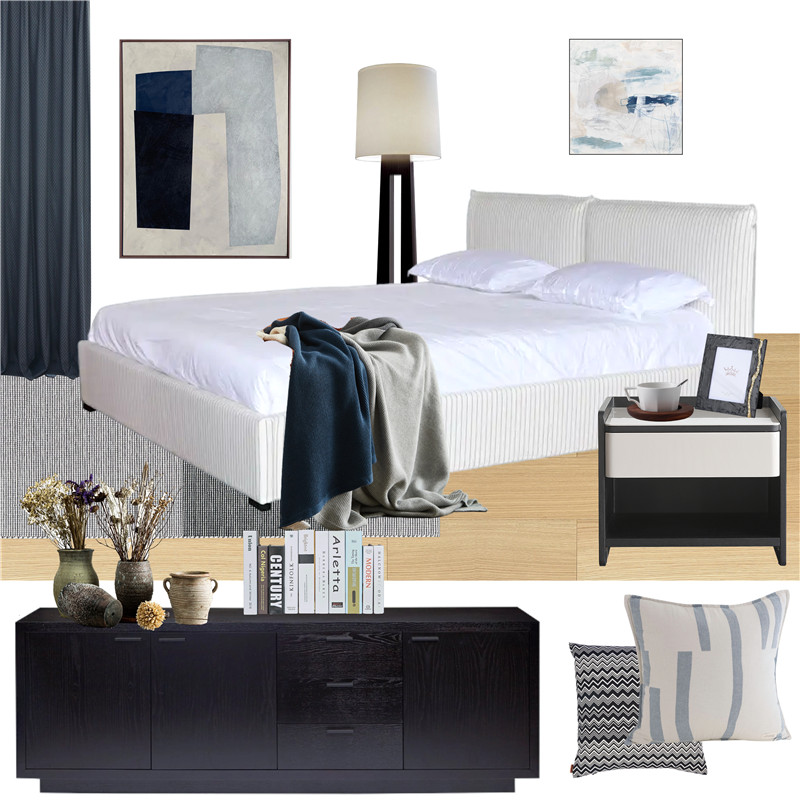
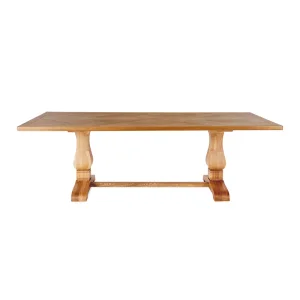
Our gorgeously detailed dining table and accent collections stand out in any space. From the dining room where families draw closer to share meals and stories, to the quiet corners of the bedroom, ZoomRoom Designs elevates the quality of everyday life. Our commitment to precision joinery, advanced manufacturing processes, and global safety standards ensures that we remain a trusted partner for direct buyers and distributors worldwide.
Mitigating supply chain risks through strict factory audits, regulatory conformity, and dedicated localized logistics support.
Navigating global furniture imports requires strict adherence to international safety and quality protocols. Bedside tables are frequently subjected to intensive physical testing to ensure they can withstand regular daily use. The main point of failure in low-cost nightstands is typically the drawer runner system and structural joints under load. To prevent these failures, premium manufacturers run physical diagnostic stress tests, cycle tests on hardware, and climate chamber testing to simulate real-world shipping conditions across varying temperatures and humidity levels.
Beyond structural safety, environmental certification is an absolute necessity for modern retail and contract projects. Sourcing partners must guarantee that all panels comply with the European E1/E0 standards or CARB Phase 2 regulations. Additionally, for markets like the US and UK, chemical compliance (including fire retardancy for upholstered or padded leather nightstands under BS 5852 or TB 117) must be verified via independent laboratory testing. A certified factory should provide these test reports promptly to simplify customs clearance processes.
Finally, reliable local support is essential for mitigating international logistics risks. From container optimization and palletized cargo protection to managing custom duties, a qualified supplier must offer comprehensive door-to-door (DDP) logistics coordination. In-country representatives or rapid-response customer service portals ensure that any transit damage, component shortage, or quality variance is resolved within days, ensuring project timelines remain secure.
An inside look at upcoming technologies, bio-based materials, and smart integrations transforming nightstand designs over the next decade.
The next decade will witness a massive transformation in how bedside storage units are designed and manufactured. The integration of technology is shifting from passive wiring cutouts to smart surfaces. Research and development teams are actively embedding wireless charging modules directly under natural stone or timber veneers, allowing electronics to charge without visible plastic pads. Sourcing managers should align with factories investing in these advanced surface treatments, as consumer demand shifts toward integrated smart-home ecosystems.
From a sustainability standpoint, the furniture industry is transitioning from standard resins to bio-adhesives. Future bedside tables will feature carbon-negative boards bonded with soy-based proteins instead of traditional urea-formaldehyde glues. Additionally, water-based UV-cured lacquers are replacing classic PU finishes. This development drastically reduces volatile organic compound (VOC) emissions during production, providing a healthier manufacturing environment and offering retail brands a powerful sustainability narrative to share with eco-conscious consumers.
Lastly, manufacturing automation is key to mitigating rising labor costs. Advanced CNC routing machines, automated edge-banding systems, and robotic assembly arms ensure high dimensional consistency across volume production runs. Choosing a factory partner that uses automated manufacturing pipelines ensures stable pricing and consistent product quality, protecting your brand's reputation and reducing defect rates in high-volume shipments.
Direct, technical answers to the most common questions raised by sourcing managers, procurement agents, and interior designers during the factory selection phase.
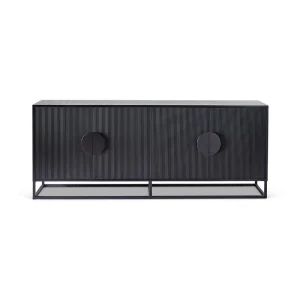
Complete your interior project with our luxury furniture lines, designed to create cohesive, high-end living spaces.
 ZoomRoom